

Home preservation is often associated with major factors such as construction quality, materials, and climate conditions. However, everyday storage habits also play a significant role in maintaining a property over time. The way homeowners organize, store, and manage belongings can directly affect the condition of floors, walls, ventilation, and overall structural integrity. Poor storage practices can lead to hidden damage, while thoughtful organization helps extend a home’s lifespan. Understanding why storage habits can influence long-term home preservation helps highlight the importance of small daily decisions in protecting property value.
Overloading Spaces and Creating Structural Pressure
One of the most common storage mistakes is overloading rooms, shelves, and storage areas. When too many items are stored in one space, the added weight can create unnecessary pressure on floors and built-in structures. Over time, this pressure may contribute to sagging floors or weakened shelving units. Heavy storage in upper cabinets can also affect wall stability. Even minor strain, when repeated over years, can lead to visible structural changes. Homes are designed with weight limits in mind, and exceeding those limits can gradually reduce durability. Proper distribution of stored items helps maintain structural balance throughout the property.
Blocking Ventilation and Increasing Moisture Risk
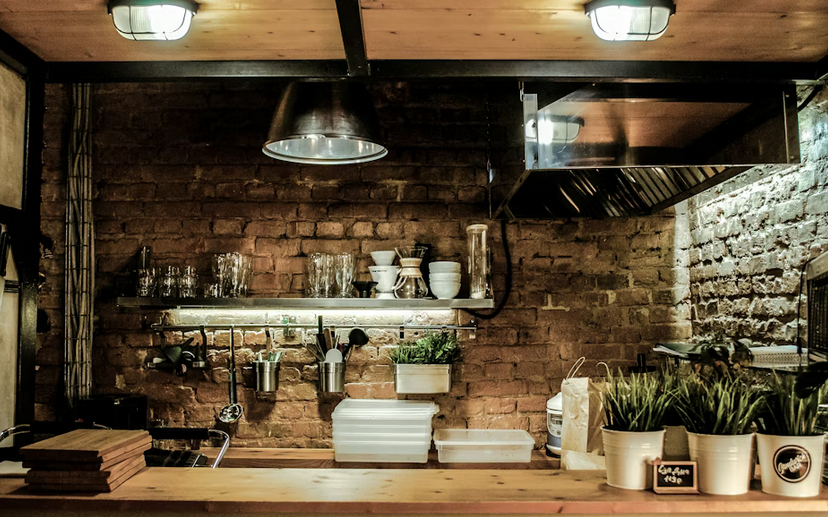
Storage habits can also influence airflow within a home. When furniture, boxes, or stored items block vents or cover walls, ventilation becomes restricted. Poor airflow allows moisture to build up in hidden areas. This can lead to mold growth, dampness, and material deterioration. Areas behind stored items are often the first to show signs of moisture damage. Over time, this can weaken walls, paint, and even wooden structures. Maintaining clear ventilation paths is essential for preventing long-term humidity-related issues. Good storage practices support healthier indoor air circulation and structural protection.
Causing Wear and Tear on Flooring
Improper storage can also accelerate floor damage. Heavy furniture, stacked boxes, or frequently moved items can create scratches, dents, and pressure marks. When items remain in the same position for long periods, uneven wear patterns may develop. This is especially common in areas where storage items are regularly shifted or dragged. Carpets may flatten unevenly, and wooden floors may develop permanent impressions. Even small abrasions can accumulate into noticeable deterioration over time. Using proper storage methods, such as protective pads or organized shelving, helps reduce floor damage significantly.
Increasing Risk of Pest Infestation
Storage habits can unintentionally attract pests when items are left unmanaged or stored improperly. Cluttered areas provide hiding spaces for insects and rodents. Cardboard boxes and unused items can become nesting materials. Moist or poorly ventilated storage spaces are especially vulnerable. Once pests enter, they can cause damage to wood, wiring, and insulation materials. This type of damage often goes unnoticed until it becomes severe. Maintaining clean and organized storage areas is essential for preventing pest-related structural issues.
Affecting Wall and Surface Conditions
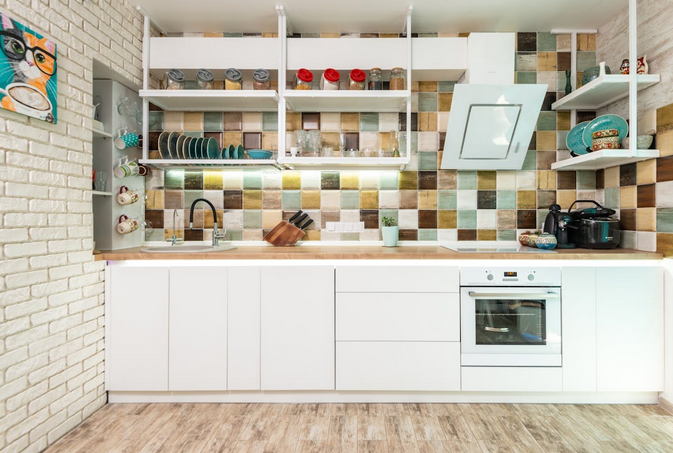
Walls are often impacted by how items are stored against them. Leaning heavy objects or stacking materials directly against walls can cause surface damage. Paint may peel or discolor due to trapped moisture or pressure. Over time, walls may develop marks or cracks in high-contact areas. Improper storage can also make it difficult to notice early signs of wall damage. When items are regularly moved, small issues can be identified and addressed earlier. Careful spacing between stored items and walls helps preserve surface integrity.
Supporting Long-Term Home Stability Through Organization
Organized storage habits contribute significantly to long-term home preservation. When items are stored systematically, it becomes easier to maintain cleanliness and monitor potential issues. Clear organization reduces clutter and improves accessibility. It also helps homeowners identify early signs of damage before they worsen. Consistent storage practices make routine maintenance more effective. This approach supports both structural protection and overall home efficiency. Simple adjustments in storage behavior can have lasting positive effects on property condition.
Storage habits may seem like a minor part of home management, but they play a major role in long-term preservation. Overloading spaces, blocking ventilation, damaging flooring, attracting pests, and affecting wall conditions can all result from poor storage practices. On the other hand, thoughtful organization helps maintain structural stability, improve airflow, and reduce wear and tear. Small daily decisions contribute significantly to the overall health of a home. By developing better storage habits, homeowners can protect their property, extend its lifespan, and maintain a safer and more efficient living environment.…